Recent geopolitical conflict, including tensions involving Iran and the resulting instability across key trade routes, has once again highlighted how exposed global supply chains remain.
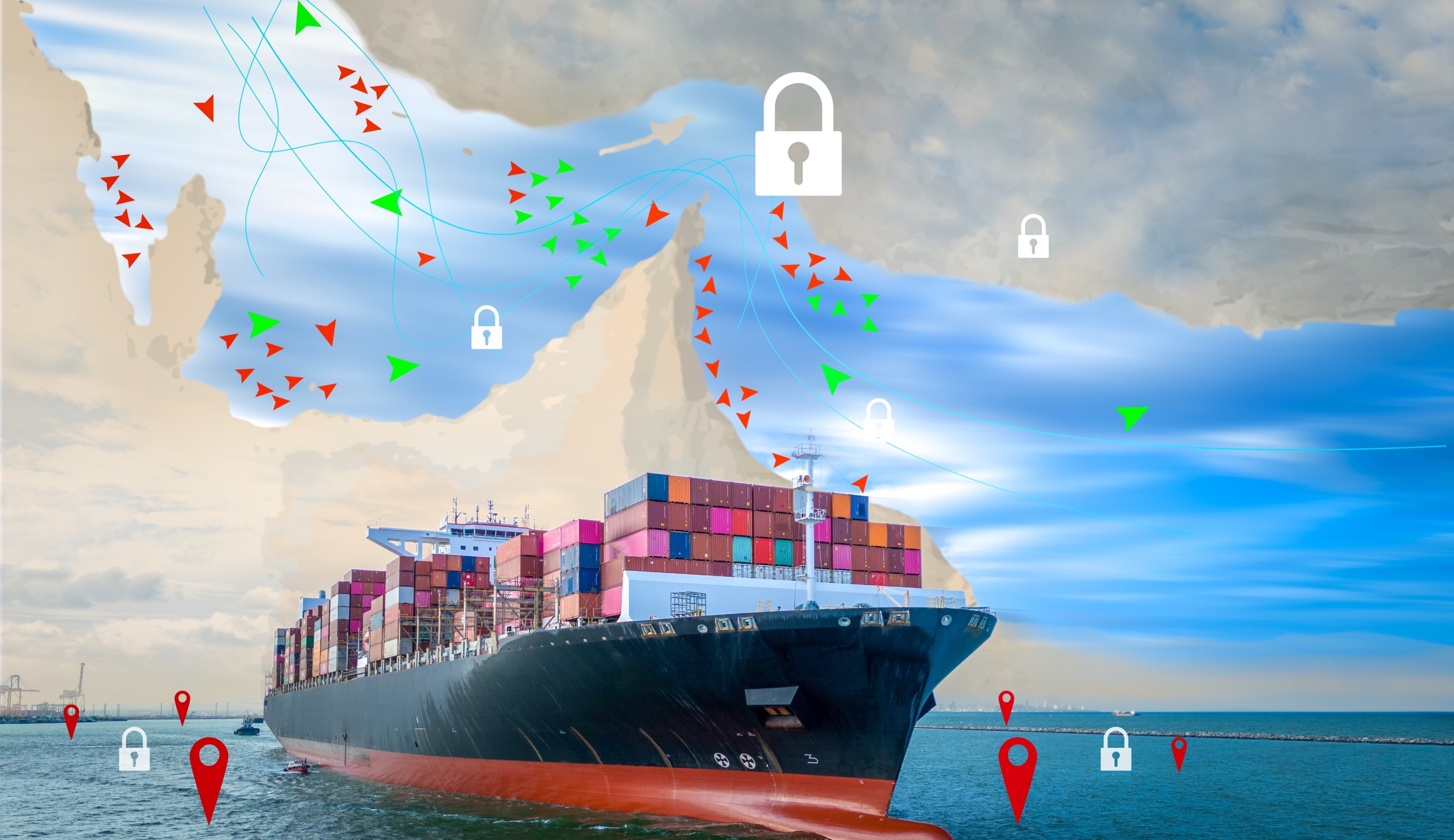
When conflicts escalate, the effects move quickly beyond the headlines. Shipping routes change, transit times stretch, fuel and freight costs fluctuate, and uncertainty spreads across sourcing and production plans.
But the bigger lesson is not about one conflict alone. It is about how fragile supply chains become when companies lack visibility beyond the shipment itself.
Whether disruption is triggered by geopolitical tension, port congestion, extreme weather, labor shortages or sudden swings in demand, the pattern is similar: costs rise, timelines move, and decision-making becomes reactive. The businesses that absorb these shocks best are usually not the ones with the best tracking links.They are the ones with what is happening upstream - in raw materials, production and work-in-progress.
For retailers and brands, this is not just a logistics issue. It is a revenue and margin issue. When products arrive late, sales are missed. When teams rush to recover, costs climb through air freight, split shipments, premium handling, and last-minute warehousing changes.
Why supply chain risk starts before goods are in transit
When disruption hits, most companies focus first on logistics. They ask where the container is, whether the vessel is delayed, or if freight can be expedited. Those are important questions, but they come late in the chain.
By the time a shipment is at risk in transit, the room to respond is already narrowing.
The earlier signals usually appear upstream. Raw material availability tightens. Input prices shift. Factory schedules change. Production output slips. Quality checks take longer. Documentation is delayed. Any one of these issues can affect readiness long before a shipment misses its planned departure.
That is why on-time delivery is not simply a transportation issue. It is an end-to-end visibility issue. And in volatile conditions, the most important visibility starts inside the factory.
The hidden impact of disruption on raw materials, production and shipping costs
Conflict-led disruption tends to expose three vulnerabilities at once.
First, raw material costs can shift rapidly as energy prices, supplier uncertainty, and market sentiment ripple through supply markets. Second, production becomes less predictable as factories deals with energy shortages, material shortages, labor constraints, capacity reallocations, and changing schedules. Third, shipping costs and timelines become more volatile as route diversions, congestion, longer transit times, and last-minute mode changes can push-up the cost.
Recent market data reinforces this pattern: manufacturers reported that energy and shipping were the two biggest drivers of higher prices, with shipping cost inflation reaching its highest level since November 2022.
These pressures do not operate in isolation.They compound. A business may absorb a modest increase in material cost ora short production delay on its own. But when both happen at the same time, and logistics costs rise on top, margins erode fast.
That is exactly why companies need earlier and better signals.
Why production visibility matters more than shipment tracking
Many retailers and brands still operate with a blindspot between purchase order placement and shipment. They know what was ordered, and they know what shipped, but they lack a reliable view of what is actually happening on the factory floor. That gap becomes costly in volatile periods.
That missing layer matters. Teams need clear answers to practical questions:
· how many units were produced this week?
· how many are expected next week?
· what work-in-progress looks like by order or style
· what is at risk, and why?
· what recovery action plans are in place
This is not “nice-to-have” reporting. It is the forward-looking production visibility that allows teams to make better decisions before delays become expensive.
How WIP and production updates improve your supply chain
When retailers and brands have visibility into WIP and production schedules, they gain earlier decision points across the supply chain.
Bookings can be aligned to confirmed production readiness instead of assumed dates. Orders finishing together can be consolidated more effectively, reducing split shipments and extra handling costs. Inventory can be allocated earlier to priority channels, stores, or key SKUs.Warehousing teams can also plan labor, space, and inbound appointments with more confidence, especially when disruption causes arrivals to cluster.
The same visibility also helps companies with direct support where it is needed most. When teams can see where delays are emerging – by region, supplier, or factory – they can assign people earlier, focus escalation efforts on the highest-risk sites, and work with the suppliers before issues spread further. That can mean deploying local teams to resolve bottlenecks faster, supporting recovery plans more directly, and reducing the need for last-minute firefighting.
This also matters for quality. When orders start running late, production is often compressed, inspections are rushed, and the risk of errors increases. Better visibility gives teams more time to act, maintain quality standards, and stop rushed production from creating new problems.
The benefit is not simply more data. It is fewer surprises. And fewer surprises usually mean fewer margin-eroding decisions.
Cost volatility is part of supply chain disruption too
Production visibility alone is not enough if cost changes remain fragmented across emails, spreadsheets, WhatsApp /WeChat messages and supplier conversations.
Disruption often drives cost changes that are easy to miss until they become margin problems:higher raw material prices, fuel-related adjustments, supplier surcharges, or unplanned freight premiums. If those signals appear late, businesses are left with fewer options.
That is why leading companies pair WIP and production updates with pricing visibility. They capture quotes in one place, maintain transparency into cost drivers, track changes through approvals, and create clear triggers when costs move beyond an agreed threshold.
This creates options.Teams can renegotiate, re-source, rebalance buys, or revise delivery plans before volatility turns into a margin of surprise.
What good supplier production visibility looks like
This does not require a large transformation program. In many cases, it starts with a simple weekly cadence with suppliers.
At minimum, a weekly production update should cover:
1. Units produced this week
2. Units planned for next week
3. Current WIP status
4. Revised ready-to-ship date
5. Delays and reasons for delays
6. Recovery actions underway
That is enough to create an early-warning signal. It gives sourcing, planning, logistics, and warehousing teams a shared forward signal they can act on before disruption becomes a service failure or cost spike.
Why this remains relevant after the current conflict passes
The immediate conflict may ease. Shipping routes may stabilize. Costs may normalize. But the underlying lesson will remain.
Global supply chains are now operating in a more volatile environment, where disruption can come from multiple directions and spread quickly across materials, production, and logistics. The specific trigger may change. The need for upstream visibility will not.
That is why this is bigger than any one geopolitical event. The real issue is resilience.
The bottom line
Conflicts such as the recent Iran-related tensions are reminders of how quickly supply chains can come under pressure. Raw material costs can move, production schedules can slip, and shipping plans can unravel in a matter of days.
The companies that will manage disruption best are the ones that can see upstream earliest across raw materials, WIP, production progress, and readiness to ship. Because when visibility starts before the port, decisions get better, responses get faster, and both revenue and margin are better protected.